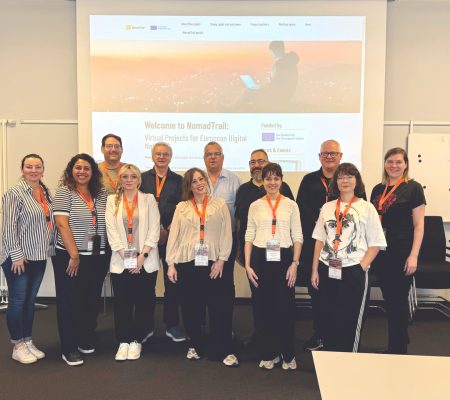
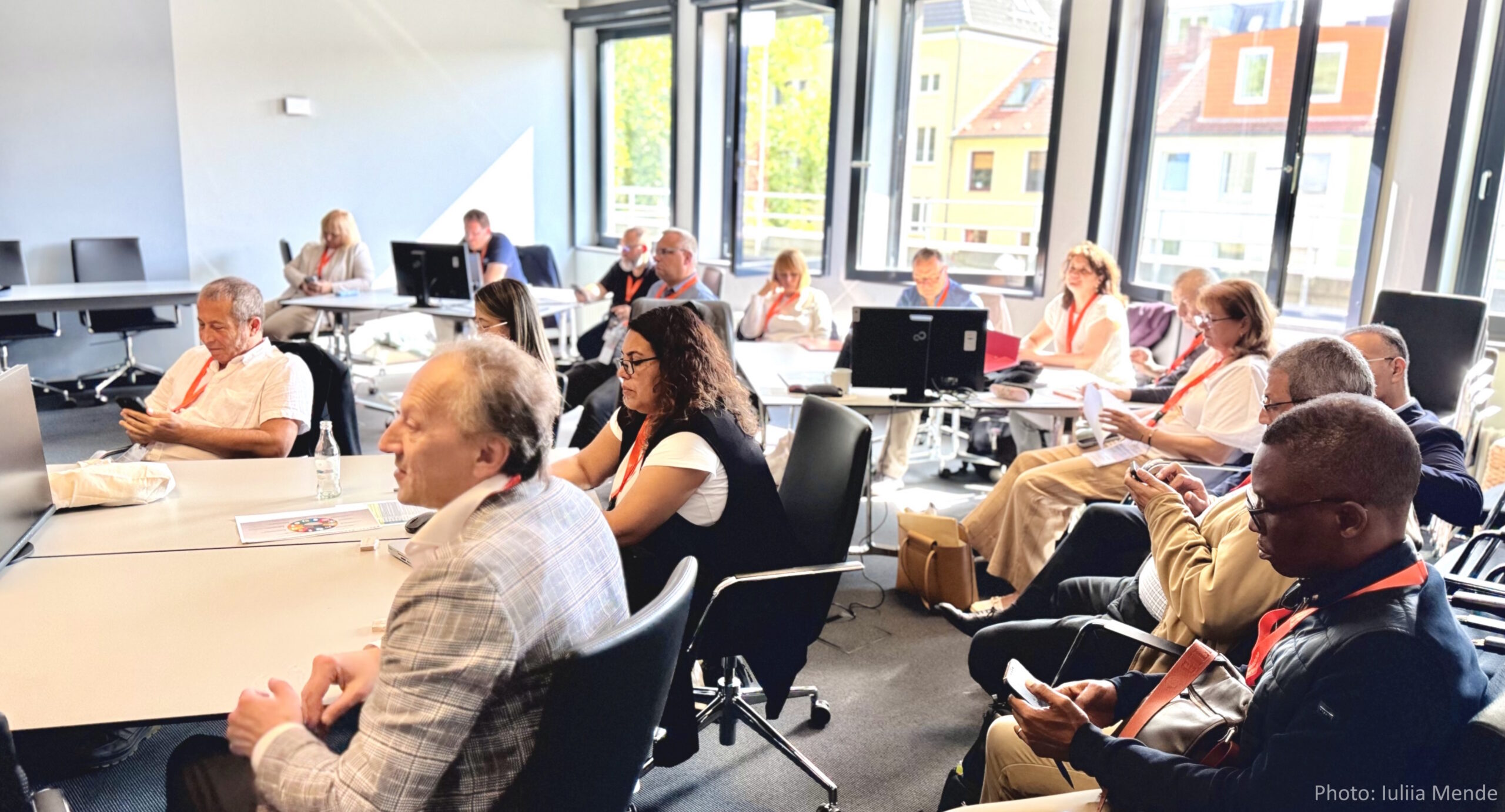
The International Summer Convention (ISC) 2026, held from 14 to 18 September at Dortmund University of Applied Sciences and Arts, brought together university staff, students and international partners for a week of workshops, project presentations and networking. Several activities took place within the Erasmus+ NomadTrail project (Project Reference: 2023-1-DE01-KA220-HED-000153927), with a focus on sustainability, innovative teaching methods and international collaboration.
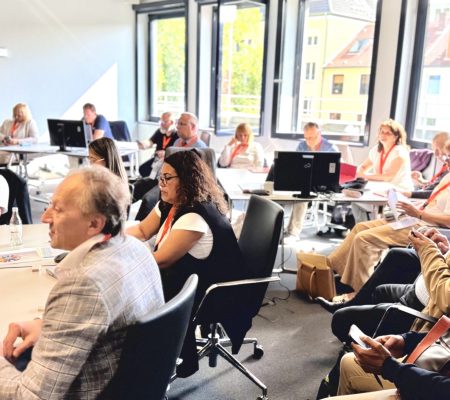
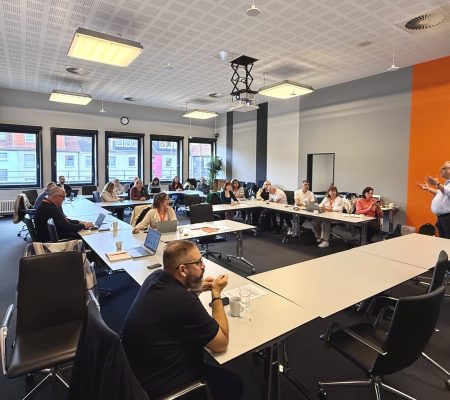
On 14 and 15 September, the workshop, led by Prof. Dr Carsten Wolff, welcomed teaching staff from different universities to explore new approaches to sustainability education. Participants worked in international teams following the Open Communities of Practice approach, encouraging the exchange of knowledge, experiences and ideas across institutions. As part of the workshop, the participants also attended Train-the-Trainer sessions on Open communities of practice and Train-the-Trainer session on Virtual Cross-Border Projects and its potential use in higher education. Through talks and practical guidance, they learned about digital learning tools, instructional design, accessibility and copyright, as well as how educational materials can be developed, shared and reused. These sessions provided an opportunity to reflect on new teaching approaches and explore possibilities for future joint initiatives. The combination of international teamwork and training also helped strengthen connections between educators interested in sustainability and digital education.
On 15 September, students took part in the Virtual Cross-Border Innovation Project (VCBIP) presentations. Over the preceding months, international student teams had been working on ideas for sustainable technologies and solutions, applying methods such as Design Thinking, Lean Startup, Cross-border collaboration strategies and Agile project management which were taught to the students from the modules developed in the frames of NomadTrail. During the session, they presented their innovation proposals to an international jury of university professors, industry experts and company representatives. The panel evaluated their work, asked questions and offered feedback from both academic and professional perspectives. For the students, this was an opportunity to discuss their ideas with people from different backgrounds and gain experience presenting their work beyond the classroom.
The activities offered complementary learning experiences. Teaching staff explored new educational approaches through training and shared discussions, while students applied innovation methods to sustainability challenges. Both benefited from working with people from different countries and institutions.
The Erasmus+ NomadTrail activities at ISC 2026 showed how international cooperation can support both teaching and student learning. By combining the Open Communities of Practice approach, Train-the-Trainer sessions and practical innovation projects, the convention helped strengthen connections between universities and industry and encouraged further collaboration.
More information about the Erasmus+ NomadTrail project is available on the project website.