
INTRODUCTION
The BIP Automotive Systems introduces students to automotive systems engineering, focusing on advanced driver assistance systems (ADAS), autonomous driving (AD), and software engineering. As vehicles become increasingly complex, the program provides insights into modern development processes, system architecture, and software technologies.
The four-week program begins with a virtual phase, followed by a one-week on-site block week and a final virtual phase. Through lectures, simulations, practical exercises, and group projects, students gain theoretical knowledge and hands-on experience while developing skills relevant to the automotive industry.
HOW TO APPLY?
First of all, please register yourself in our DEE system to be able to access our “Event Planner” service. You will find instructions on how to create an account in the Attached Guide.
As soon as you have your account and you are logged in, you will be able to find the event page of our Automotive Systems Block Week 2027 under this link.
Please if you are interested in joining our event register yourself as soon as possible by clicking on DEE system.
NOTE: Amount of seats is limited.
ORGANIZATIONAL FRAMEWORK
8th of Mar - 9th of Apr
CW 10 (08-Mar – 12-Mar): Virtual Phase – Introduction / Preparation
CW 11 (15-Mar – 19-Mar): On-Site Phase / Block Week – Lectures, Seminars and Practical Activities
CW 12 (22-Mar – 26-Mar): No Scheduled Programme Activities
CW 13 (29-Mar – 02-Apr): Virtual Phase – Follow-Up / Group Work
CW 14 (05-Apr – 09-Apr): Virtual Phase – Finalizing Group Work
PROGRAM OVERVIEW
Monday, 15th of Mar
09:00–10:30 Seminar: Requirements Management
10:45–12:15 Seminar: System Architecture
11:30-12:30 Case Study: Introduction
12:15–13:30 Lunch Break
13:30–15:00 Seminar: Sensors for ADAS/AD
15:30–17:00 Demonstration: Sensors for ADAS/AD
Tuesday, 16th of Mar
09:00–10:30 Discussion: White Paper
10:45–12:15 Seminar: Safety and Security
12:15–13:30 Lunch Break
13:30–15:00 Lab Visits
15:30–17:00 Seminar: Automotive Software Development
Wednesday, 17th of Mar
09:00–10:30 Company Presentation (TBD)
10:45–12:15 Seminar: ADAS/AD Algorithms
12:15–13:30 Lunch Break
13:30–15:00 Exercise: Model-Based Development
15:30–17:00 Exercise: Model-Based Development
Thursday, 18th of Mar
09:00–10:30 Excursion: Company Visit (TBD)
10:45–12:15 Excursion: Company Visit (TBD)
12:15–13:30 Lunch Break
13:30–15:00 Laboratory: Function Integration
15:30–17:00 Laboratory: Function Validation
Friday, 19th of Mar
09:00–10:30 Seminar: Software Testing
10:45–12:15 Seminar: System Validation
12:15–13:30 Lunch Break
13:30–15:00 Assignment Colloquium
INTRODUCTION
Automobiles are complex systems that are composed of mechanical, electric/electronic, and software components. The activity of specification, design, integration, and testing of these components to build a safe, performant, and desirable car is a joint effort of a global network of car manufacturers and their suppliers and sub-suppliers. Automotive system engineering is about orchestrating all these parties and addresses a wide range of engineering and management skills.
All that being said, the complexity of automotive systems is ever-increasing as advanced driving assistance systems (ADAS), autonomous driving (AD), and connectivity capabilities boost the functionality of new vehicles by incorporating novel sensor systems as well as powerful software algorithms.
Due to these developments, the automotive industry is undergoing a deep transformation: established development processes are being questioned, software companies gain importance and the formerly potent car manufacturers fight for their supremacy in the market.
However, one thing persists: the industry’s need for system engineers that have a comprehensive understanding of the system engineering process paired with knowledge in software engineering. The BIP Automotive Systems proposed here contributes to the formation of this type of engineer.
You can also download the program and module content as a PDF using the following link: PROGRAM & CONTENT.
LEARNING CONTENTS & METHODS
The BIP Automotive Systems is about automotive systems engineering with a focus on advanced driver assistance systems (ADAS) and autonomous driving (AD). Another focus lays on software engineering.
The backbone of the module are the so-called V-Model and ASPICE, two engineering process models/guidelines that are fundamental in automotive system engineering. Many aspects of these models are explained and numerous examples originating from ADAS/AD are presented.
- V-Model
- ASPICE
- Requirements Management
- System Architecture
- Sensors for ADAS/AD
- Safety and Security
- Software Development
- ADAS/AD Algorithms
- Model-based Development in Matlab/Simulink
- Agile Methods
- Software Testing
- System Validation
TEACHING IN THIS MODULE WILL UTILIZE DIVERSE METHODS
Lectures and Seminars:
In lectures and seminars, knowledge will be presented and discussed with students. At the conclusion of each segment, a set of questions will be provided to the students online and will be answered immediately so that the lecturer can give direct feedback as well as additional explanations.
Practical Work on a Mobile Robot:
An autonomous mobile robot that is available at the Department of Information Technology will be used as a prototype to develop and test the AEB function. Models-based code that is developed in Simulink will be deployed on the robot and tests will be conducted in an indoor laboratory. The tasks will include processing of data from a LiDAR sensor as well as motion control of the robot.
Demonstration of a Test Vehicle and Lab Visit:
The demonstration of an Audi Q7 that is available at the Department of Information Technology and that carries different sensors used in ADAS/AD like radar, lidar and GPS e.g. complements the seminars.
Labs in the Department of Mechanical Engineering will be visited as available. These labs focus on driving function development, vehicle electronics and powertrain engineering.
Development using Matlab/Simulink:
An ADAS function called Autonomous Emergency Breaking (AEB) is presented and will be demonstrated using a Matlab/Simulink simulation. The students themselves will develop, optimize, and test an AEB function in a Simulink simulation environment.
Other algorithms that are crucial to ADAS/AD will be demonstrated through Simulink simulations.
Discussion of White Papers/Scientific Papers:
Current technological trends that are explained in white papers and/or scientific papers will be provided to the students. The students will then briefly present the core ideas of each paper to trigger a discussion between the students and the lecturer.
Third-party Contributors:
Depending on availability, guest speakers from other universities or industry partners will join and present their perspectives.
Also depending on availability, an excursion to an automotive supplier with an R&D site located in Dortmund or a neighboring city is planned.
Assignment:
Students will be divided into several groups and given a specific topic from the automotive world. The students will research relevant literature and prepare a presentation on their topic. At the end of the block week, the groups will share their results with all other students and the instructor in a colloquium where they will present and discuss their findings.
APPLICATION AND SELECTION
First of all, please register yourself in our DEE system to be able to access our “Event Planner” service. You will find instructions on how to create an account in the Attached Guide.
As soon as you have your account and you are logged in, you be able to find the event page of of our Automotive Systems Block Week 2027 under this link.
Please if you are interested in joining our event register yourself as soon as possible by clicking on DEE system.
NOTE: The number of funded places is limited.
IMPORTANT ADDITIONAL INFORMATION ABOUT/FOR BIP REGISTRATION
Name: Dortmund University of Applied Sciences and Arts
Faculty/Department: Computer Science
Erasmus code: D DORTMUN02
Administrative contact person: Ekaterina Hermann (ekaterina.hermann@fh-dortmund.de); position: international Projects Coordinator
Responsible person for signing the learning agreement: Thorsten Ruben (thorsten.ruben@fh-dortmund.de); position: International Master Studies Coordinator
BIP title: BIP Automotive Systems Block Week 2027
BIP ID: 2026-1-DE01-KA131-HED-000409538-3
Time frame:
The BIP Automotive Systems Block Week 2027, organised by Dortmund University of Applied Sciences and Arts, is tentatively scheduled from 8 March to 9 April 2027.
- Virtual component before the on-site phase (tentative): 8–19 March 2027 (CW 10–11)
- On-site phase in Dortmund (confirmed): 15–19 March 2027 (CW 11)
- Virtual component after the on-site phase (tentative): 29 March – 9 April 2027 (CW 13–14)
Please note that the exact dates of the virtual components are still subject to confirmation and may be adjusted.
Content of the virtual component:
Before the on-site phase:
During the virtual component, some theoretical knowledge is provided to ensure a common foundation of knowledge among participants. International and diverse student teams are formed, and initial assignments based on the inverted classroom principle are distributed. This initiates the team-building process, which is an important prerequisite for the physical block week.
After the on-site phase:
Following the physical phase, the results of the function development and validation activities will be consolidated and prepared for an online presentation by the students, which constitutes the final outcome of the BIP.
Course number for Learning Agreement: MOD-E10
Course title for Learning Agreement: Automotive Systems
Workload: Comparable to approximately 3 ECTS credits.
Language of instruction: English
Target group:
The programme is intended for final-year Bachelor’s students and Master’s students.
MATLAB/Simulink will be used for demonstrations and hands-on exercises. Basic knowledge of MATLAB and Simulink is appreciated; however, a Simulink crash course will be provided during the block week.
Each participant should have a laptop with a licensed MATLAB/Simulink installation.
Partner universities:
- University of the Basque Country (EHU), Bilbao, Spain
- KU Leuven, Belgium
- HELHa – Haute École Louvain en Hainaut, Engineering School, Belgium
CONTACT
Ekaterina Hermann
Prof. Dr. Björn Schäfer
Organization and Location
FH Dortmund-University of Applied Sciences and Arts
Info Guide Around Dortmund and FH Dortmund
IN COLLABORATION WITH




GALLERY
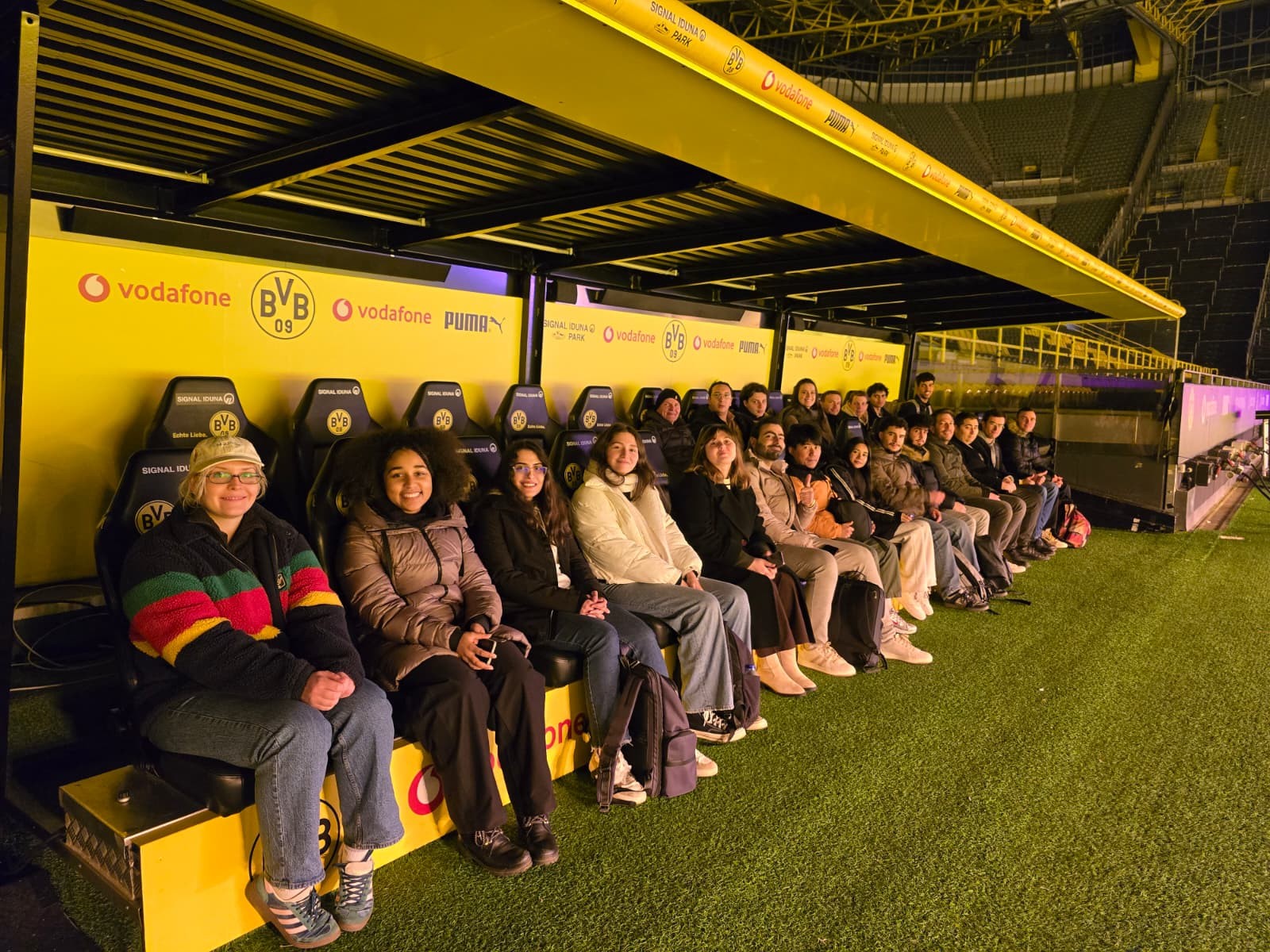
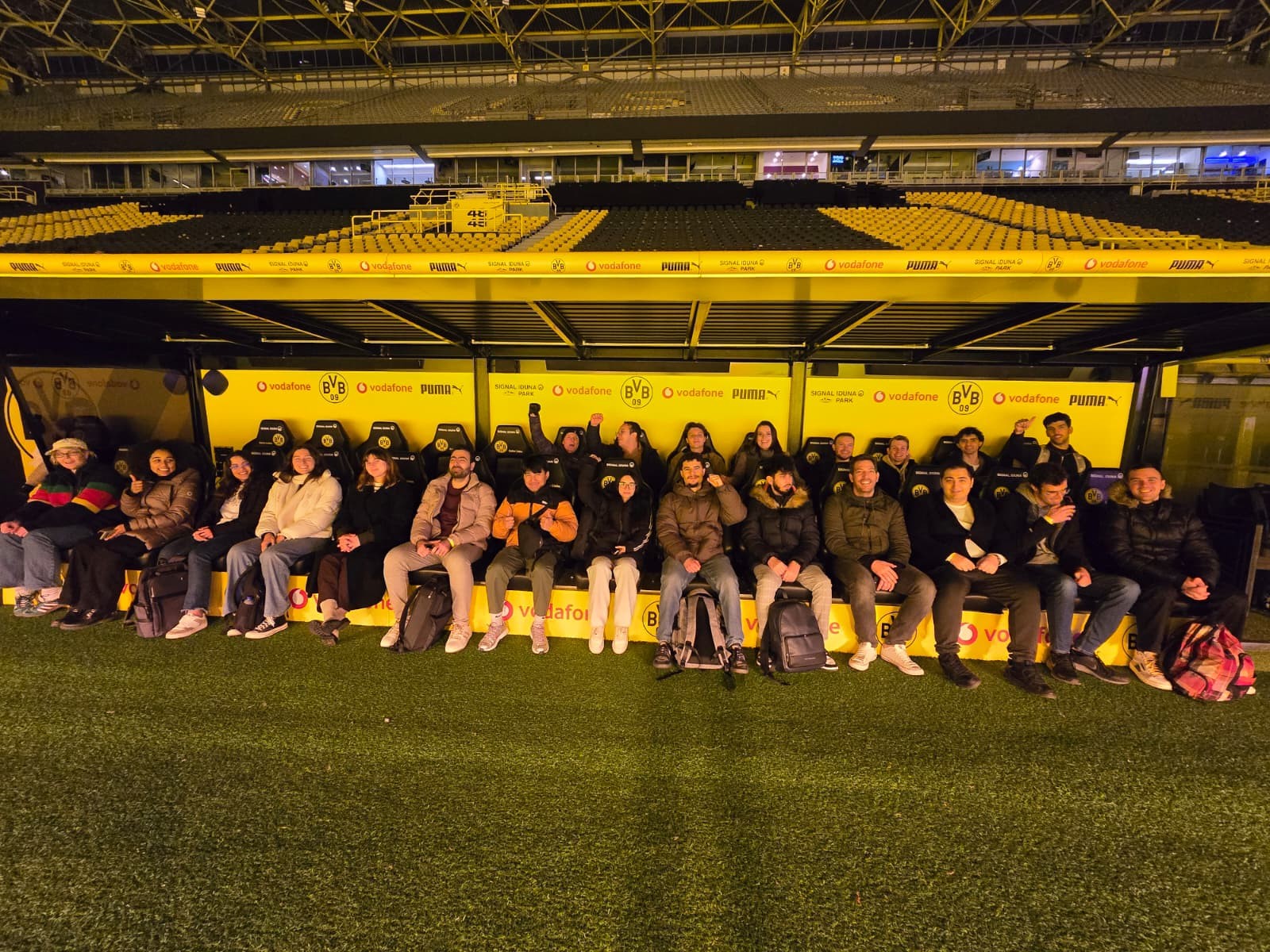
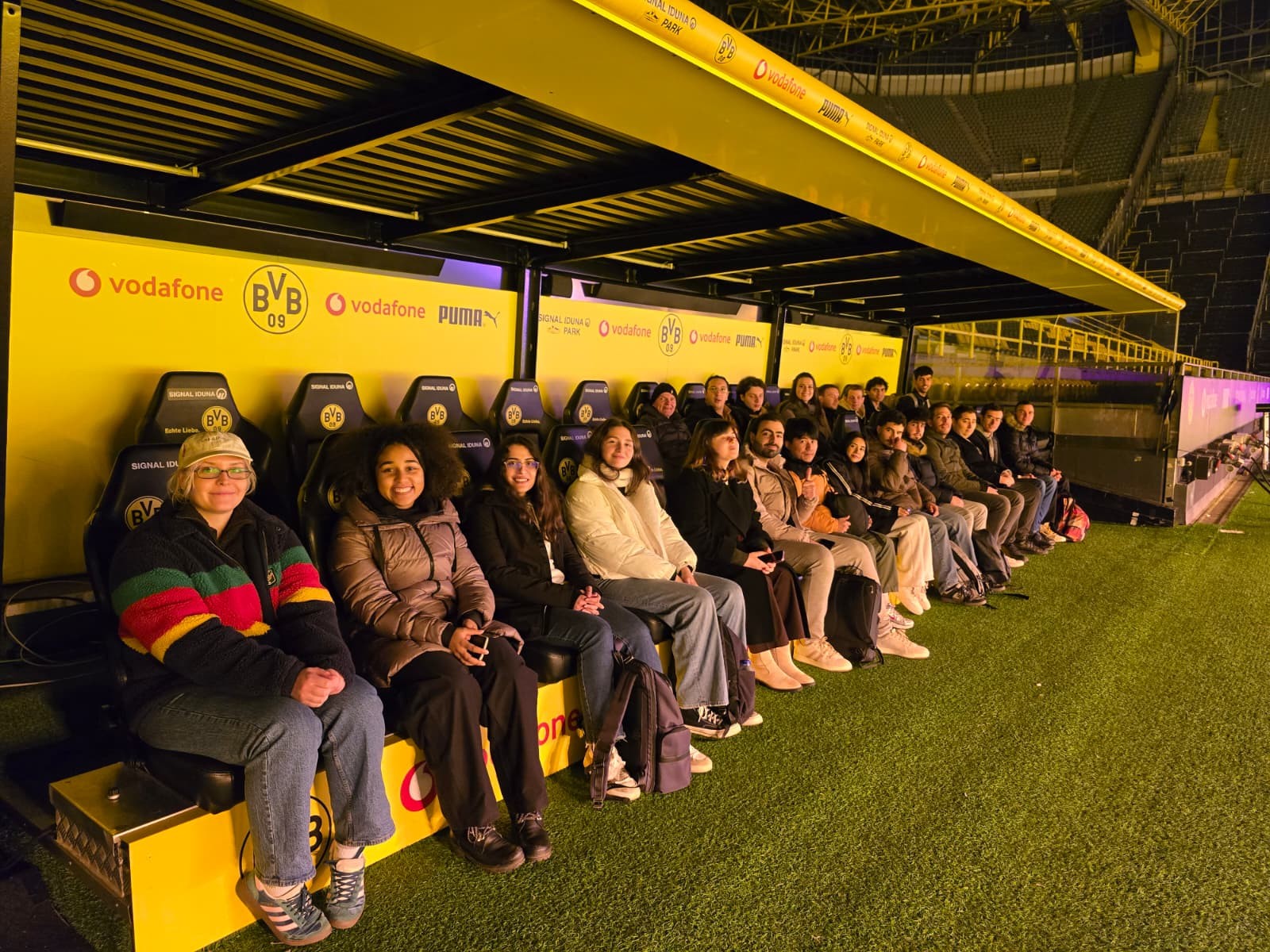
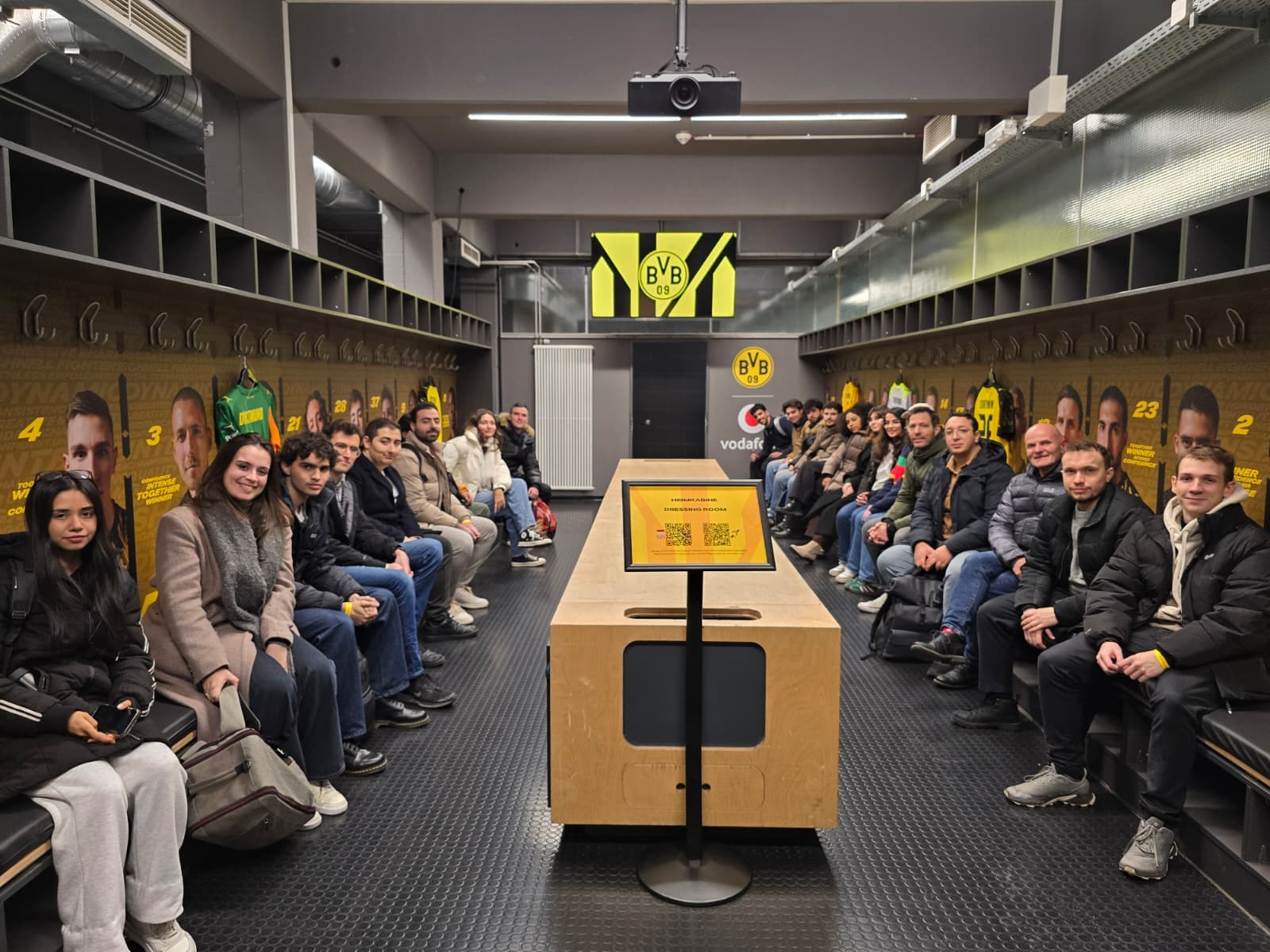
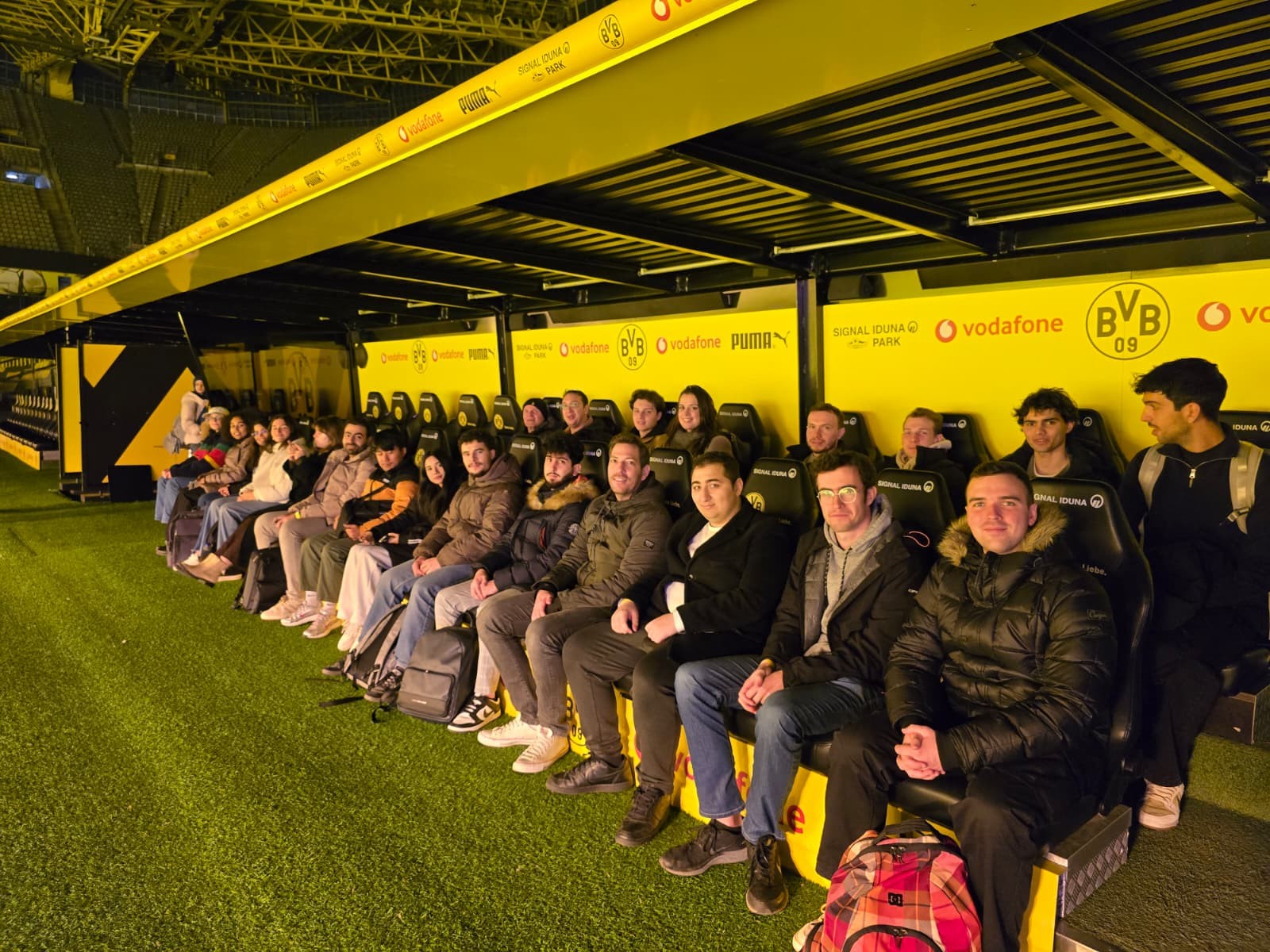
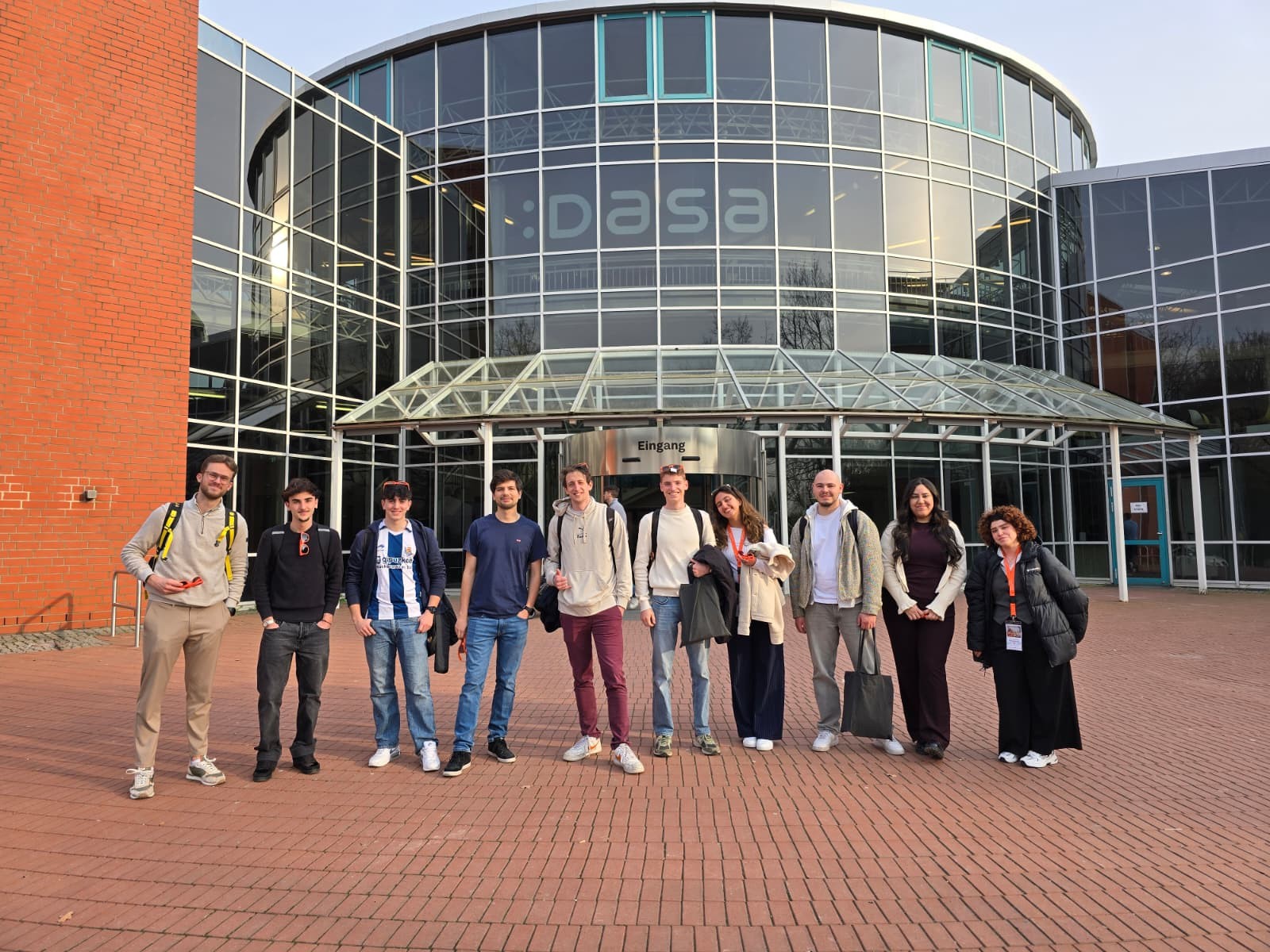
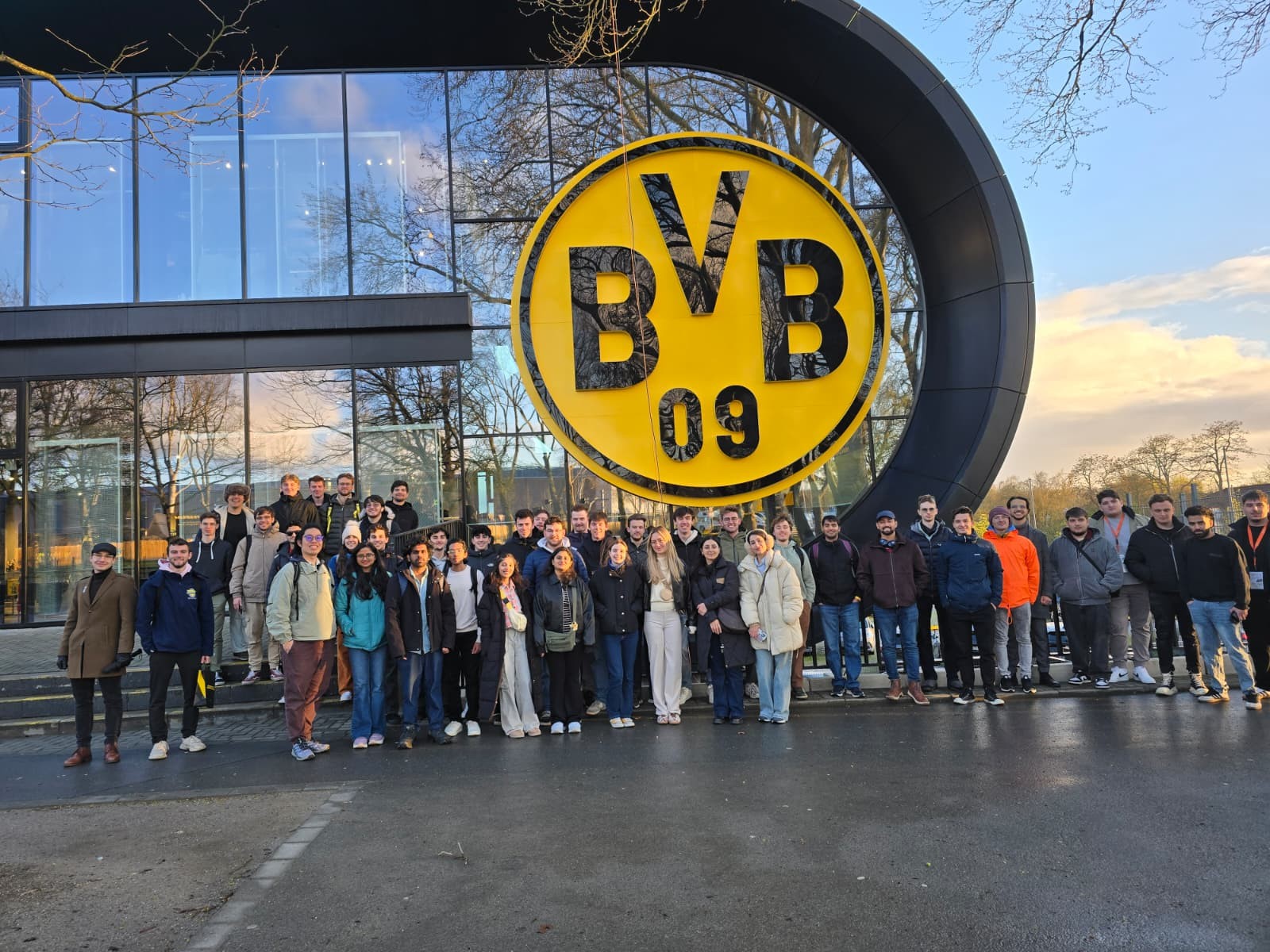
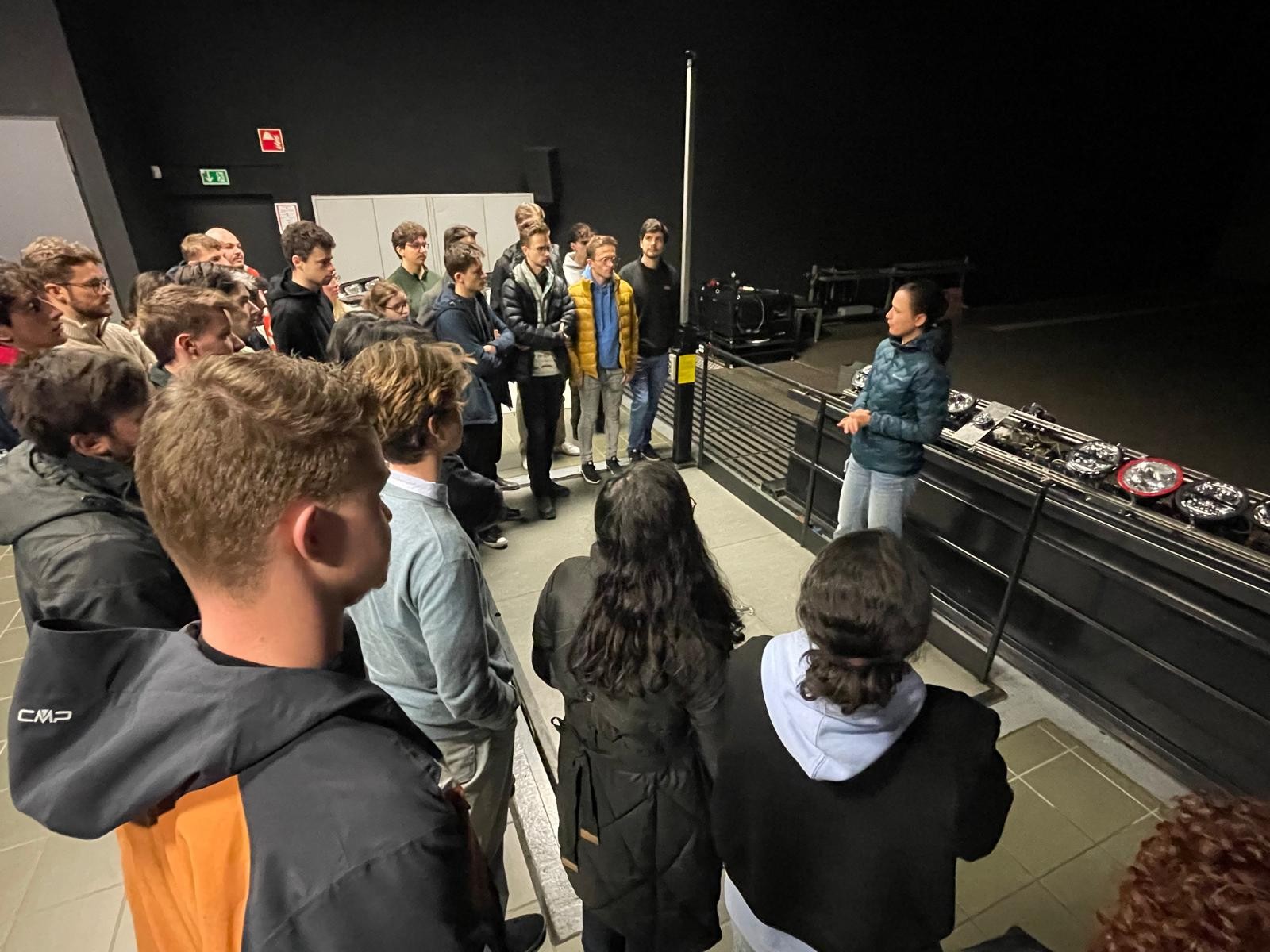
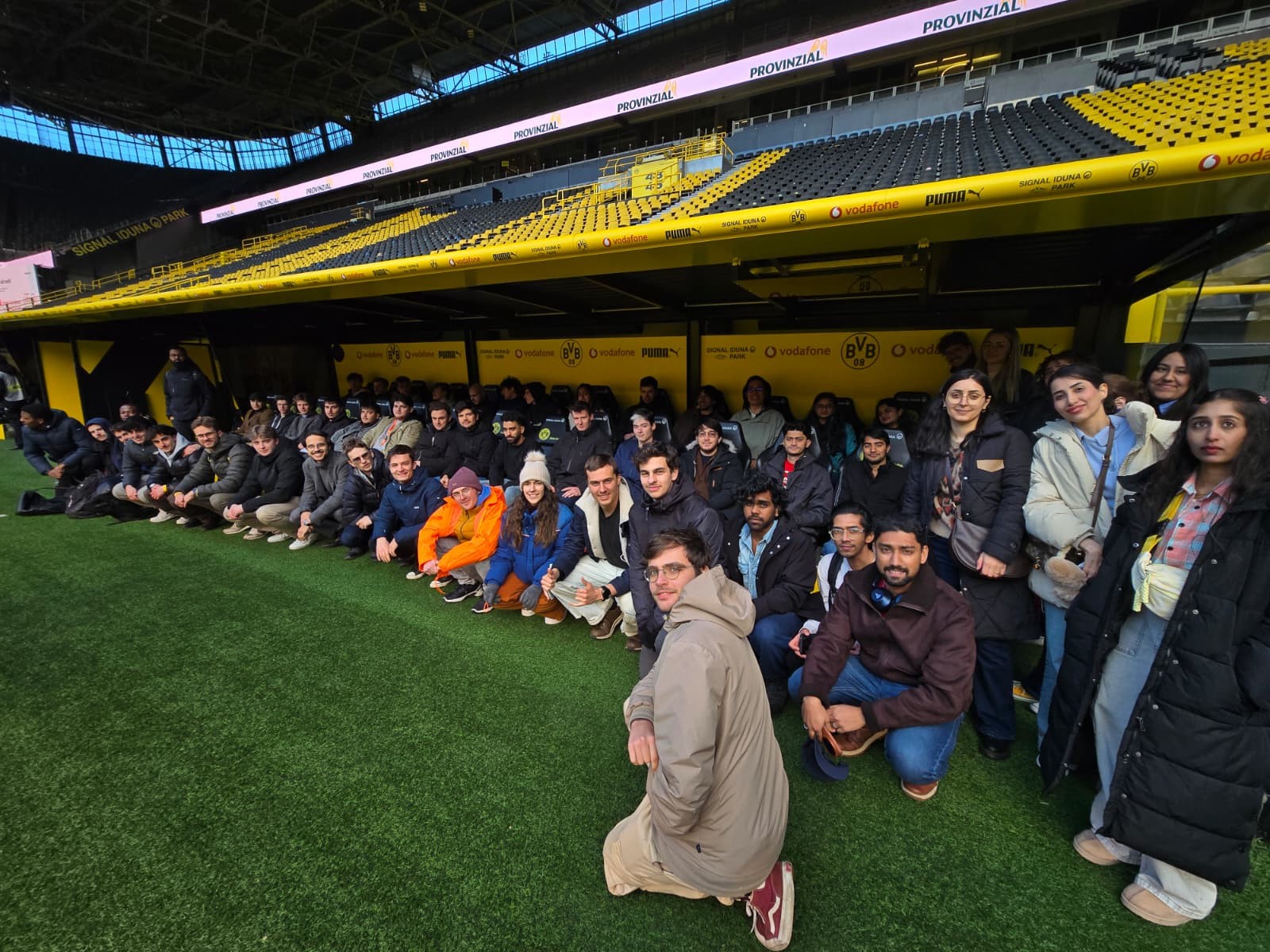
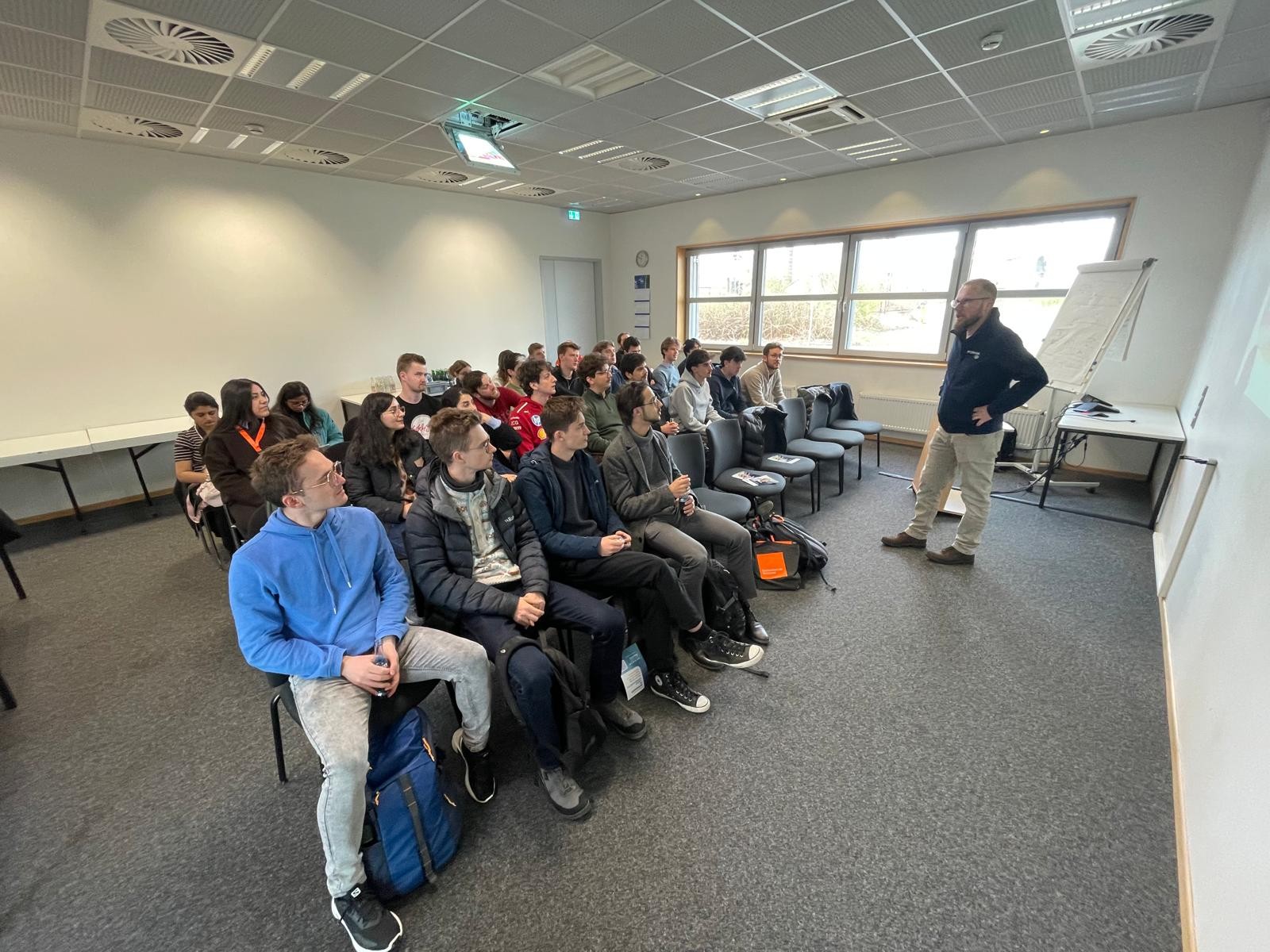
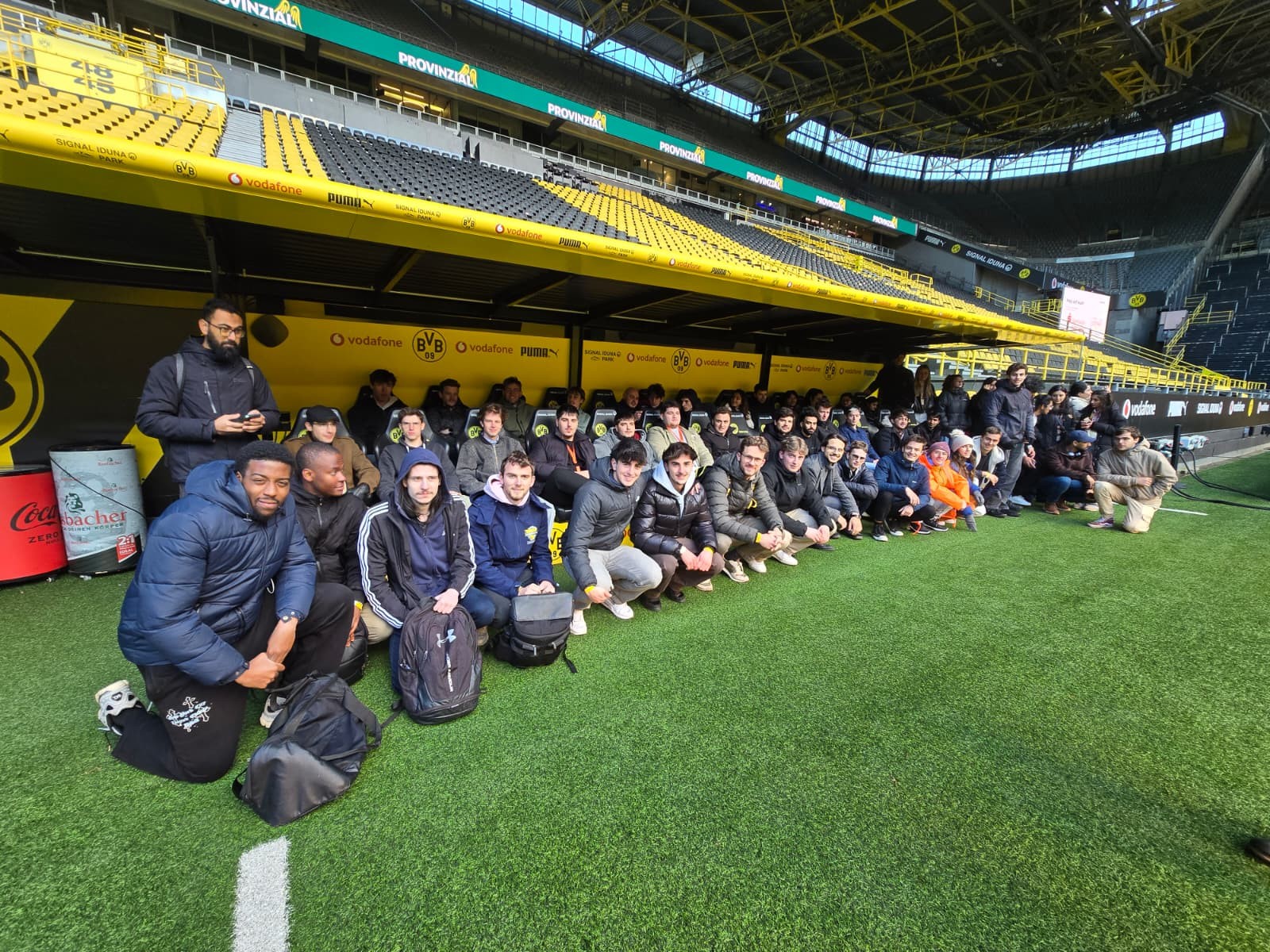
Previous Year Event Insights.


FUNDED BY
